
Fiberglass Pipes for Specialized Industrial Fluid Handling
Fiberglass Reinforced Plastic (FRP) pipes are industrial solutions designed to transport aggressive fluids and media where corrosion, chemical attack, pressure or wear can affect traditional materials. Their composite structure allows the system to be adapted to real process conditions.
Plastimarmol FRP manufactures FRP pipes with a chemical barrier composed of polyester, epoxy vinyl ester or other compatible resin systems. During manufacturing, both mechanical stress and potential chemical attack must be considered based on the exposure conditions of the part.
Chemical Barrier
High and Low Pressure
Smooth Interior Surface
Lighter Installation
FRP Pipes for Chemical and Industrial Fluid Handling
Searches for fiberglass pipes often come from projects that need to transport acids, alkalis, process water, slurry, industrial effluents or abrasive fluids. FRP piping allows resin, chemical barrier and wall thickness to be selected according to real exposure.
Queries this page covers
- FRP pipes for chemicals
- Corrosion-resistant fiberglass pipes
- FRP piping for industrial effluents
Key specification data
- Fluid, concentration, pH and temperature
- Pressure, diameter and total length
- Resin type and chemical barrier
Common Applications for FRP Pipes
FRP pipes are used in systems where safe fluid handling and chemical resistance are critical factors. They are a practical alternative for processes involving abrasive, conductive, corrosive media or constant humidity exposure.
Industries and Uses
- Chemical Processes.
- Desalinization Plants.
- Wells and inspection chambers.
- Ducts and ventilation.
- Industrial Effluents.
- Irrigation.
- Oilfields.
- Drinkable, geothermal, and raw water.
Design Factors
- Required diameter and length
- Abrasive, conductive or corrosive media
- High or low operating pressure
- Operating temperature
- Expected chemical attack
- Required mechanical stress
- Compatible resin system
- Fittings, flanges and connections
Technical Advantages of FRP Pipes
FRP pipes offer important advantages in industrial systems where corrosion, pressure, internal friction and maintenance directly affect operation. Unlike many metal solutions, they do not require cathodic protection and maintain constant hydraulic properties.
Corrosion resistant
High pressure
Maintenance
Hydraulics
Resistance
Cleaning
Smooth surface
Protection
Lightweight
Temperature
Specifications, Resins and Chemical Barrier
FRP pipes can be manufactured with resins according to customer specifications or individual project needs. Common options include vinyl ester resin, polyester and other compatible systems.
Correct selection should not be based only on diameter. Fluid type, concentration, pressure, temperature, mechanical stress, installation method and environmental conditions should be reviewed to define piping compatible with the process.
Useful Technical Data
- Nominal diameter
- Required length
- Operating pressure
- Operating temperature
- Fluid and concentration
Project Conditions
- Required resin type
- Expected chemical attack
- Mechanical load or stress
- UV or weather exposure
- Applicable standards or specifications
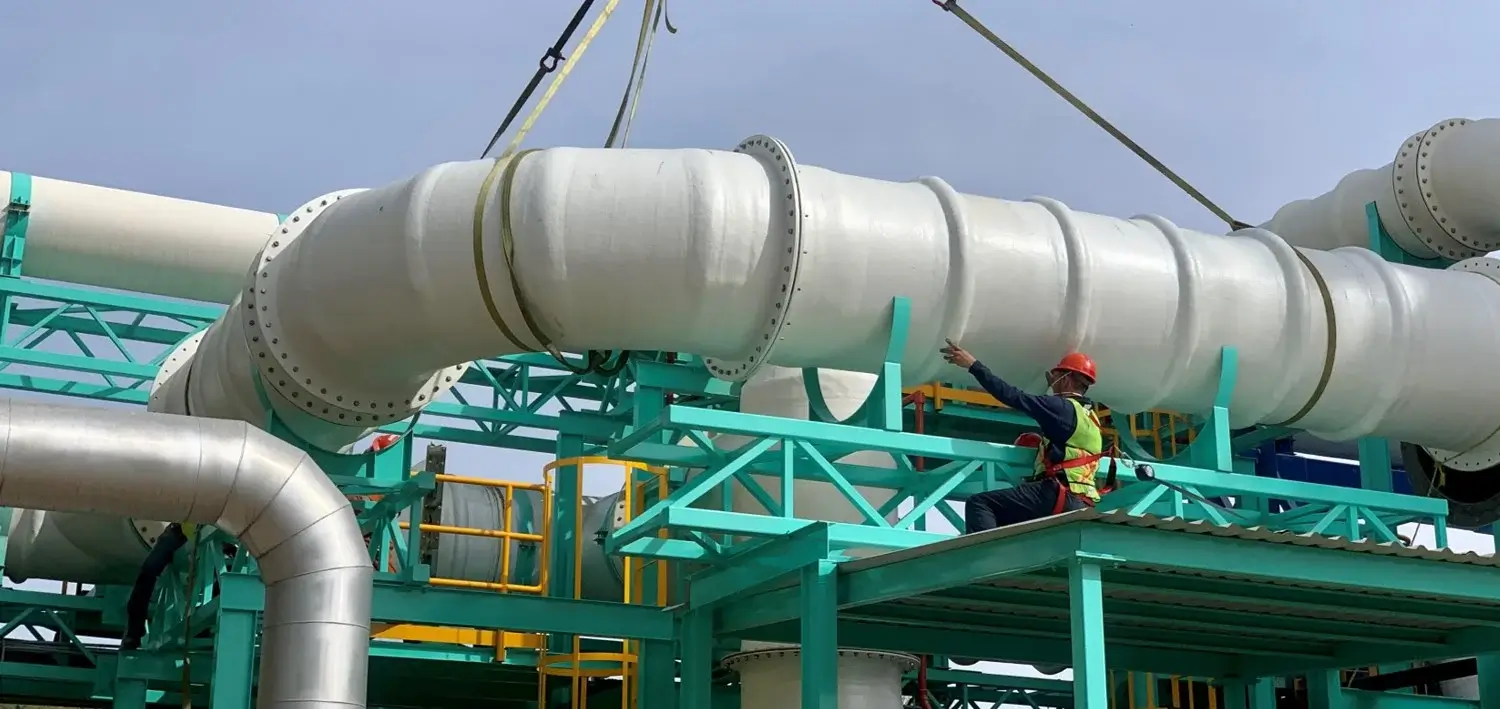
Related Products for FRP Systems
FRP pipes are often integrated with other fiberglass components to create industrial systems resistant to corrosion, chemicals and aggressive environments.
Useful Information to Quote FRP Pipes
To properly evaluate FRP piping, it is important to understand the real system conditions. This allows materials, chemical barrier, wall thicknesses, connections and configuration to be selected according to the application.
- Diameter and total length
- Transported fluid or chemical
- Operating pressure
- Operating temperature
- Abrasive or conductive media
- Required resin type
- Connections and fittings
- Project drawings or specifications
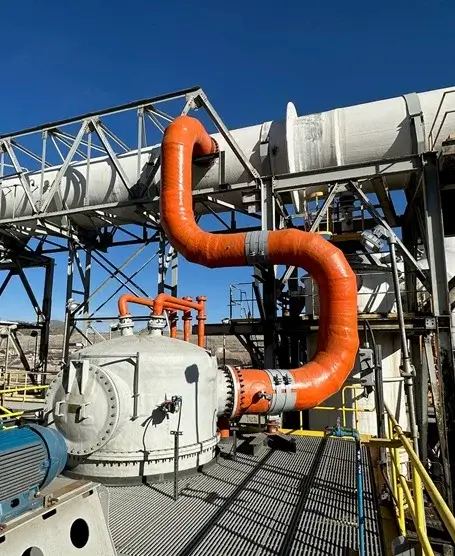
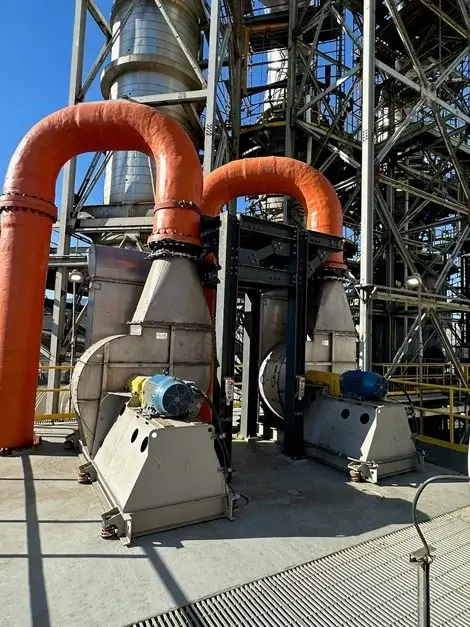
Product Gallery


Frequently Asked Questions About FRP Pipes
They are used to transport abrasive, conductive, chemical, water, industrial effluent and high-pressure or low-pressure fluids in corrosive environments.
They can be manufactured with polyester, epoxy vinyl ester or other compatible resins depending on the fluid, temperature, pressure and expected chemical attack.
They resist corrosion, do not require cathodic protection, are lightweight, have a smooth interior surface and help reduce friction losses.
Typical information includes diameter, length, transported fluid, temperature, pressure, abrasive or conductive media, resin type, connections, fittings and project specifications.