
Fiberglass Tanks Engineered for Industrial Storage
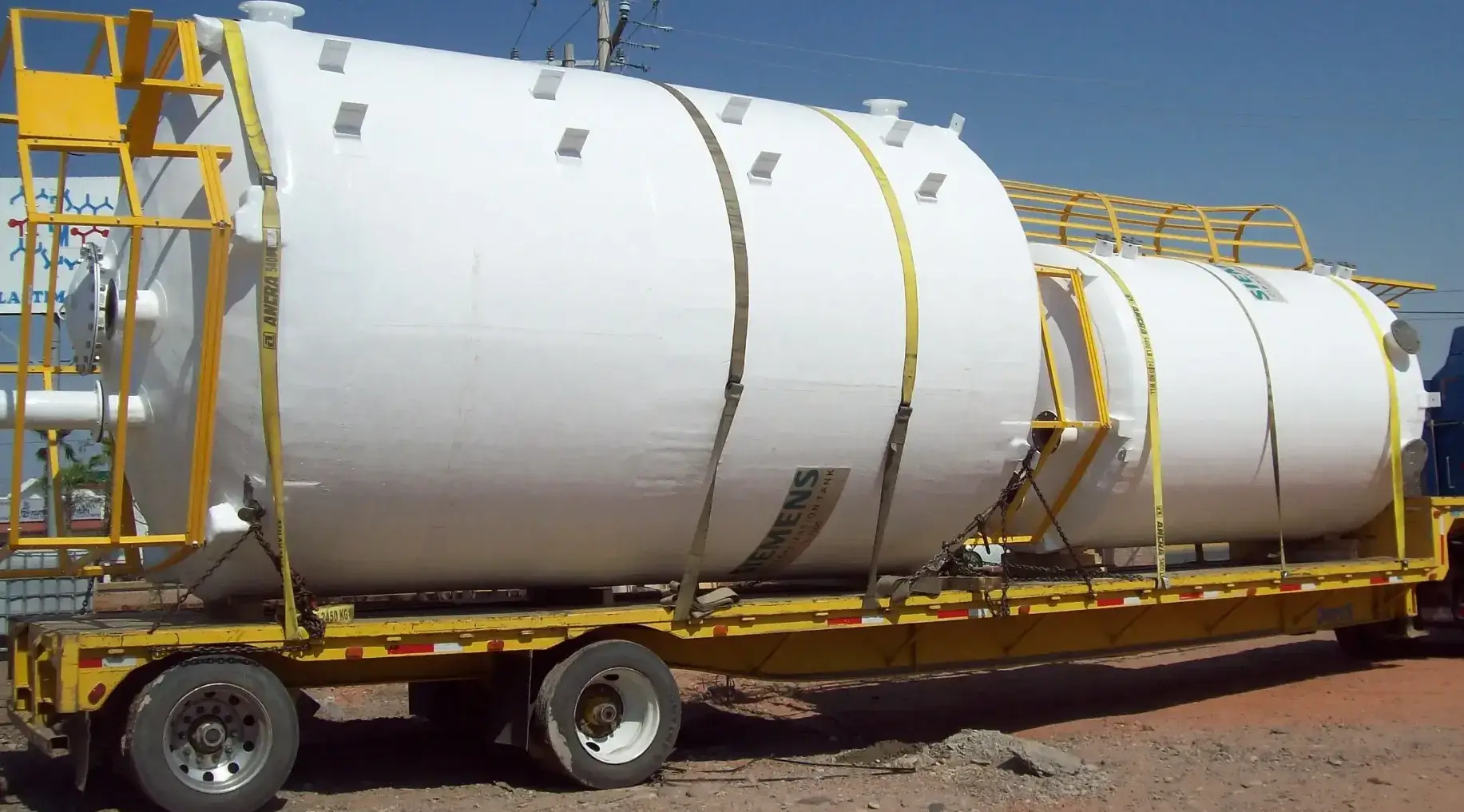
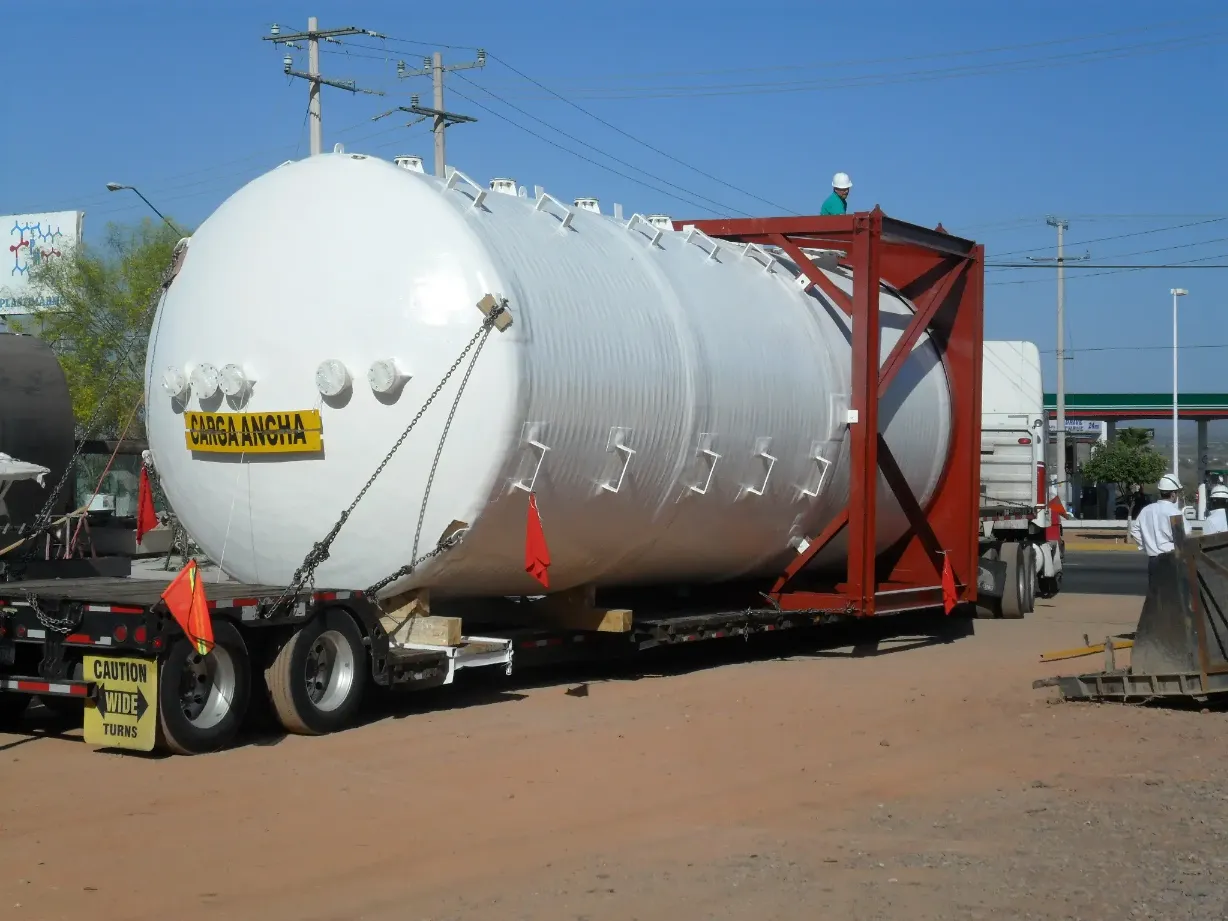
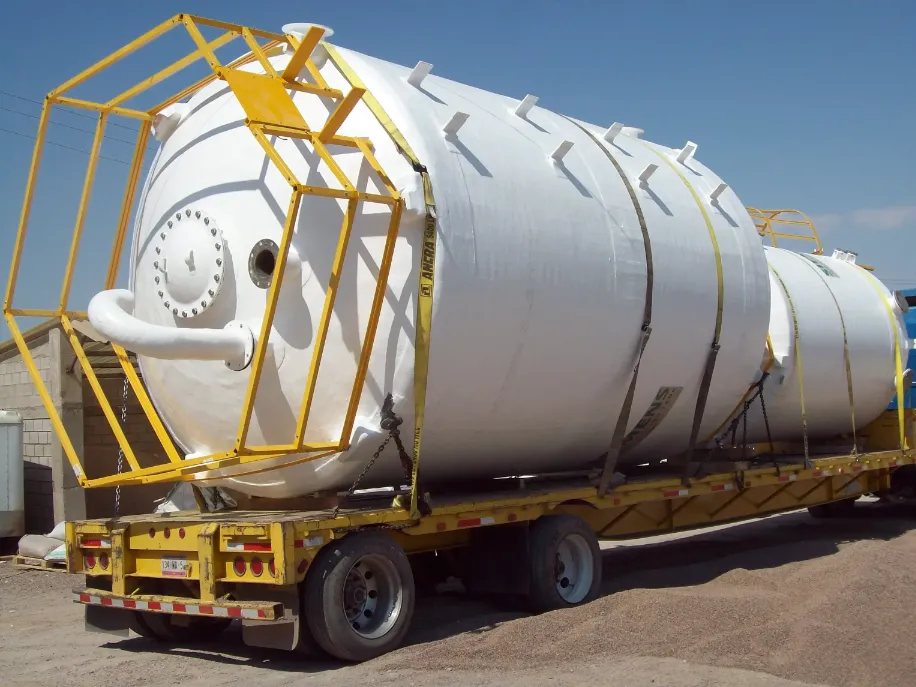
Our anticorrosive fiberglass (FRP) tanks can take on various shapes, which vary depending on factors such as the application, location, and available space for installation. These shapes include cylindrical, vertical, horizontal, rectangular, tank-type, and more. This variety allows us to offer solutions tailored to the specific needs of each customer.
Plastimarmol FRP develops FRP solutions for chemical storage, water, industrial effluents and processes where corrosion, humidity or chemical compatibility are critical factors. Proper selection should consider stored fluid, temperature, capacity, dimensions, accessories and actual operating conditions.
Anticorrosive tanks
Expert Engineers
Smooth surface
Types of tanks and accessories
FRP Tanks for Chemicals, Water and Corrosive Processes
When a project requires fiberglass tanks for acid, caustic soda, process water, industrial effluents or corrosive fluids, material selection should start with chemical compatibility, temperature, capacity and installation conditions.
Common search intent
- FRP tanks for chemical storage
- Corrosion-resistant fiberglass tanks
- Vertical and horizontal FRP tanks
Selection factors
- Fluid, concentration and temperature
- Capacity, dimensions and accessories
- Plant installation or on-site assembly
Common Applications for FRP Tanks
FRP tanks are used in projects where safe storage, chemical resistance and operational continuity are critical factors. They are common in industries exposed to corrosive fluids, chemical solutions, process water or highly humid environments.
What are FRP tanks used for?
- Chemical processes.
- Desalination plants.
- Wells and inspection chambers.
- Ducts and ventilation.
- Industrial effluents.
- Irrigation.
- Oil fields.
- Potable water, geothermal water, and raw water.
What products can it resist?
- Sulfuric Acid
- Caustic Soda
- Sodium Chloride
- Aluminum Sulfate in Solution
- Diesel
- Organic Products
- Inorganic Products
- Alkalis
Available Configurations, Shapes and Accessories
FRP tanks can be adapted to the geometry, capacity and installation conditions of the project. The configuration should be defined according to available space, operation, fluid type and the accessories needed for maintenance, inspection and connection to the system.
Tank Types
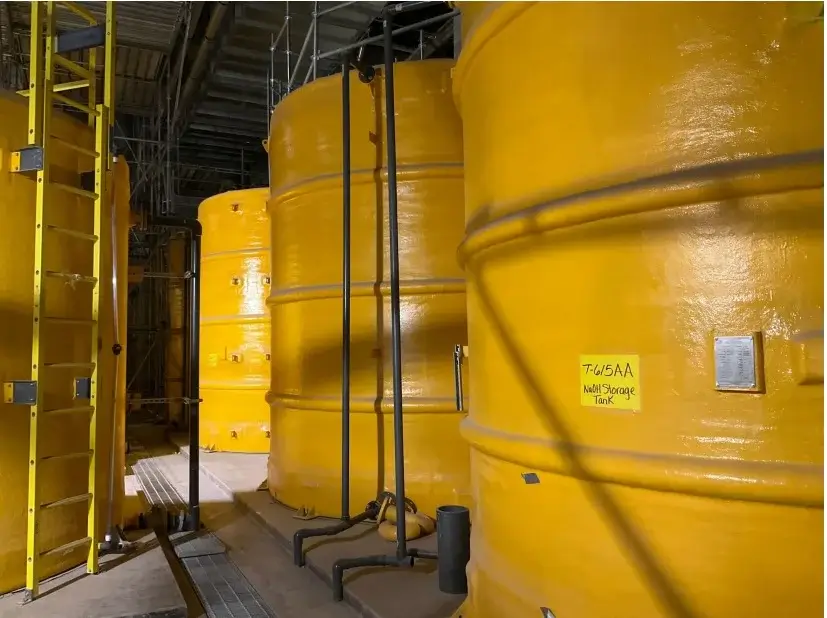
- Vertical tanks
- Horizontal tanks
- Rectangular tanks
- Cistern-type tanks
- Cylindrical tanks
- FRP process tanks
Bottoms and Accessories
- Flat bottom
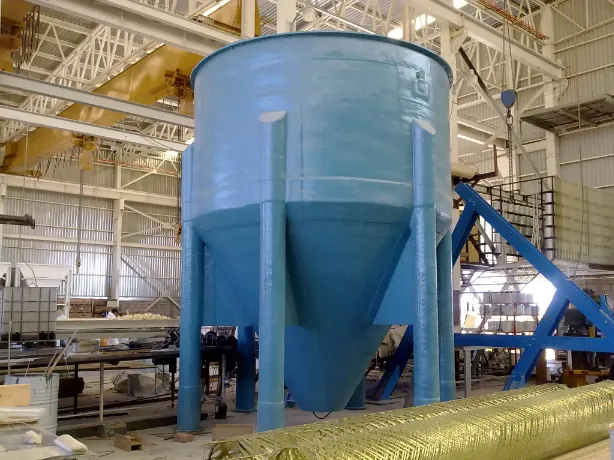
- Conical bottom
- Torispherical bottom
- Ladders
- Lifting lugs
- Legs, registers and manways
Advantages of FRP Tanks Compared with Steel, Concrete or Stainless Steel
In corrosive applications, carbon steel, concrete or stainless steel tanks may require coatings, frequent inspections, additional protection or early replacement. FRP tanks provide an anticorrosive and lighter alternative for demanding industrial environments.
- Lighter than traditional carbon steel, concrete or stainless steel tanks
- Corrosion resistant in chemical and humid environments
- Smooth interior surface for easier cleaning and maintenance
- Configuration adaptable to space and application
- Possible on-site assembly when transportation is complex
Related Products for FRP Systems
FRP tanks are often integrated with other fiberglass products to create corrosion-resistant systems in chemical plants, water treatment and industrial infrastructure.
Useful Information to Quote an FRP Tank
To properly evaluate an FRP tank, it is important to understand the real operating conditions. This allows shape, capacity, accessories, resin, orientation and manufacturing or installation method to be defined.
- Required capacity or volume
- Tank type: vertical, horizontal, rectangular or cistern-type
- Stored fluid or chemical
- Operating temperature
- Location and installation
- Flat, conical or torispherical bottom
- Nozzles, ladders, manways and accessories
- Need for on-site assembly
Product Gallery


Frequently Asked Questions About FRP Tanks
We manufacture vertical, horizontal, rectangular, cistern-type, atmospheric tanks with flat, conical or torispherical bottoms depending on the application and available space.
They are used in chemical processes, desalination plants, wells, inspection chambers, ducts, ventilation, industrial effluents, irrigation, oil fields and potable, geothermal or raw water storage.
They can be designed to resist products such as sulfuric acid, caustic soda, sodium chloride, aluminum sulfate in solution, diesel, organic products, inorganic products and alkalis, always validating chemical compatibility.
Yes. When tank size creates a transportation challenge, Plastimarmol FRP can evaluate on-site assembly with trained personnel.
They can include ladders, lifting lugs, legs, manways, nozzles, connections and other components depending on the project.